







Search Results for: 90 Gesha Language of Flowers
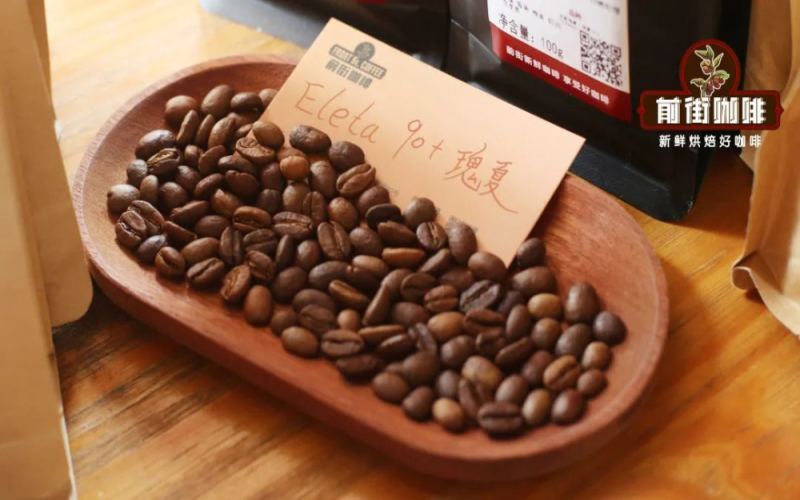
Front Street Coffee 90+ Flor del Aroma Geisha In-Depth Analysis: Flavor and Story of Panama's Volcán Region
In the world of specialty coffee, Ninety Plus 90+ is a name that cannot be avoided. It is not a synonym for cupping scores, but rather the collective name of a company and its coffee bean series. Since the Panama Emerald Estate Geisha rose to fame at the BOP in 2004, Geisha has swept through major competitions, captivating coffee lovers around the world. Founder Joseph Brodsky was one of those deeply drawn to Geisha. This article will guide you through the origins of the 90+ brand, the establishment of Ninety Plus Gesha Estate, and the micro-lot Geisha brought to you by Front Street Coffee—Front Street Eleta Floral Language. This medium-roast bean is full of layers from dry aroma to finish, with candied pineapple, bergamot, white pomelo, sweet orange, and fermented wine notes interwoven—worth savoring carefully. [more…]
A Full Analysis of the Origin Legend and Flavor Characteristics of Each Generation of Ethiopian Gesha Coffee Beans
Huakui coffee is one of the most talked-about natural beans from Ethiopia in recent years, winning over countless coffee lovers with its signature strawberry-cream flavor. Why was this bean given the name "Huakui" (meaning "chief of flowers")? From its 2017 TOH championship to today's Huakui 5.0 and 6.0, what is the connection and difference between the various versions? From the perspective of Front Street Coffee, this article sorts out the origin of the Huakui name, its version evolution, producing-area background, and variety characteristics, and also includes Front Street's roasting approach and V60 brewing parameters, giving you a comprehensive understanding of this Ethiopian coffee that combines both story and flavor. [more…]
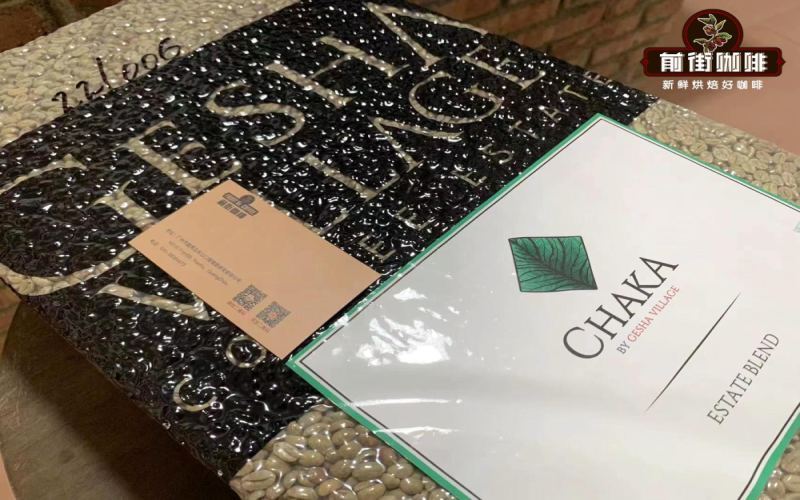
Exploring the Flavor and Story of CHAKA Chaka Natural Geisha from Ethiopia's Gesha Village Estate
Deep in the primordial forests of Bench Maji, Ethiopia, Gesha Village Estate has cultivated CHAKA, a limited-edition project, through an almost obsessive approach to variety selection and cultivation management. It originates from the native varieties of the Gori Gesha forest, sharing the same roots as Panamanian Geisha yet following a completely different flavor path. From Adam and his wife's dream-seeking journey, to Willem Boot's dedicated guidance, and to Front Street Coffee's cupping selection, the CHAKA natural batch is unforgettable for its full berry notes and creamy smooth texture. This article will give you a comprehensive understanding of Gesha Village's varietal lineage, the origins of CHAKA and its processing differences, and share Front Street's recommended brewing parameters and flavor experience. [more…]
Exploring the Ethiopia Gesha Village Estate Chaka Limited Project: Flavor Differences Between Washed and Natural Processing and Pour-Over Recommendations
Located in the Bench Maji region of Ethiopia, Gesha Village Coffee Estate has been renowned for cultivating native Geisha varieties since its founding in 2011. Its limited-edition project brand Chaka grows in the Gori Gesha forest and primarily covers three varieties: Gori Gesha, Gesha 1931, and Illubabor. This article walks you through the origins of Chaka, the connection between Gesha Village and Panama Geisha, and the differences in cup profile between washed and natural processing methods. After comparison, Front Street Coffee chose to offer the natural lot, and shares brewing parameters and flavor descriptions under a medium-light roast, making it a useful reference for Ethiopian coffee enthusiasts. [more…]
Analysis of Huakui and Geisha Coffee Beans: Origin, Flavor Characteristics, and Pour-Over Parameter Comparison
Huakui and Geisha—one is a rising star from Ethiopia, the other a legend from Panama's Hacienda La Esmeralda. The two are often mentioned in the same breath, but how exactly do they differ in variety background, naming origin, and flavor expression? From the perspective of Front Street Coffee, this article traces Huakui coffee's path to fame, processing station information, and the patterns of its batch evolution, and provides Front Street's standard pour-over recipe, while also comparing Geisha's naming origins and flavor grade differences. Whether you are a beginner just getting into specialty coffee or a veteran eager to delve deeper into the stories of the producing regions, you will gain clear insights from it. [more…]
Ethiopia Gesha Village vs. Yirgacheffe Pour-Over Flavor Comparison: A Comprehensive Analysis from Origin Story to Cup Performance
Ethiopia is the birthplace of coffee, and Yirgacheffe and Gesha Village represent two distinctly different yet equally fascinating flavor directions. Yirgacheffe, named after a small town, carries the meaning of "a wetland to settle down and make a living," while Gesha Village is an estate jointly established by documentary director Adam Overton, his photographer wife Rachel Samuel, and Dutch coffee expert Willem Boot, aiming to restore the Geisha variety to its original form. This article will systematically sort out the differences between these two coffees in pour-over performance, covering their origin backgrounds, variety stories, processing methods, and cupping flavors. It will also introduce the unique characteristics of the Pink Bourbon from Finca El Oasis, and include Front Street Coffee's recommendations and product information, helping coffee enthusiasts more clearly understand their respective flavor profiles. [more…]
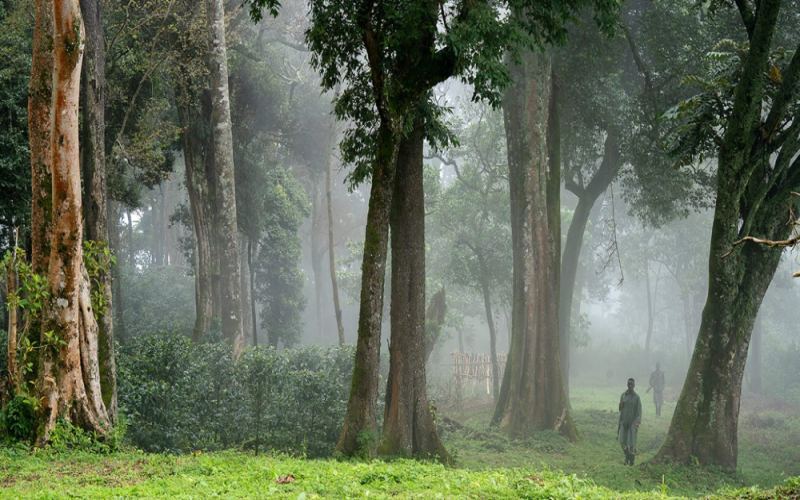
How does the coffee from Gesha Village taste? An analysis of the differences between Gesha Village and the Gesha variety, and its award-winning journey
Geisha coffee has always been most renowned for its Panama origins, and Front Street Coffee's Emerald Estate Red Label and Green Label Geisha are classic choices, but their high prices deter many enthusiasts. At this point, Front Street Coffee's Granja Estate Geisha from Ethiopia offers a cost-effective alternative, combining bright fruit acidity with guava flavors. And when it comes to the origins of Geisha, one cannot fail to mention Gesha Village—this large farm located in southwestern Ethiopia that cultivates only the Geisha variety once set an African bean auction record at $85 per pound. This article will guide you through the rise of Gesha Village, its connection to Panama Geisha, and its remarkable performance in the 2017 international auction. [more…]
From Ethiopia to Panama: Flavor Differences Between Gesha Village and Panama Geisha, and the Red Label Story
Geisha journeyed from the primitive forests of Ethiopia to Panama, and was then brought back to its homeland by a couple of documentary filmmakers. Under the guidance of Willem Boot, Adam Overton and Rachel Samuel established Gesha Village Coffee Estate in the Bench-Maji region of Ethiopia, rediscovering the wild Gori Gesha forest. This article sorts out the origins and characteristic differences between Ethiopia's Gesha Village and Panama Geisha, explains in detail Gesha Village's grading system of Auction Lots, Gold Label, Red Label, Green Label, and Chaka batches, and retains Front Street Coffee's brewing parameters and flavor descriptions, providing a complete reference for coffee enthusiasts. [more…]
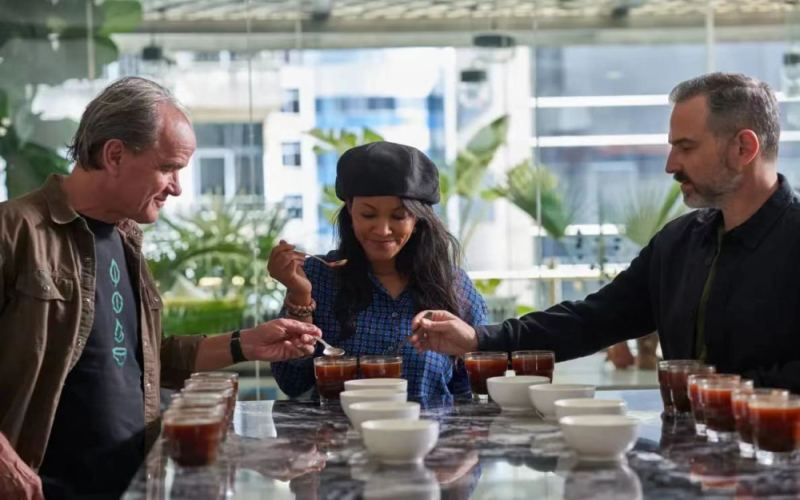
From Documentary Director to Geisha Estate Owner: Adam Overton's Journey of Searching for Geisha's Roots and Cultivation in Ethiopia
Geisha is now a star variety in the specialty coffee world, but where exactly is its original home? After filming a coffee documentary in Ethiopia, documentary director Adam Overton and his photographer wife Rachel Samuel dreamed of establishing a Geisha estate. They learned from Geisha authority Willem Boot, ventured deep into the Bench-Maji region on Ethiopia's southwestern border, and ultimately found near the Gori Gesha wild forest a variety genetically highly similar to Panama Geisha, and established the Gesha Village Coffee Estate. This article tells the story of this Geisha roots-seeking journey spanning two continents, as well as the flavors and variety future that Front Street Coffee is following. [more…]
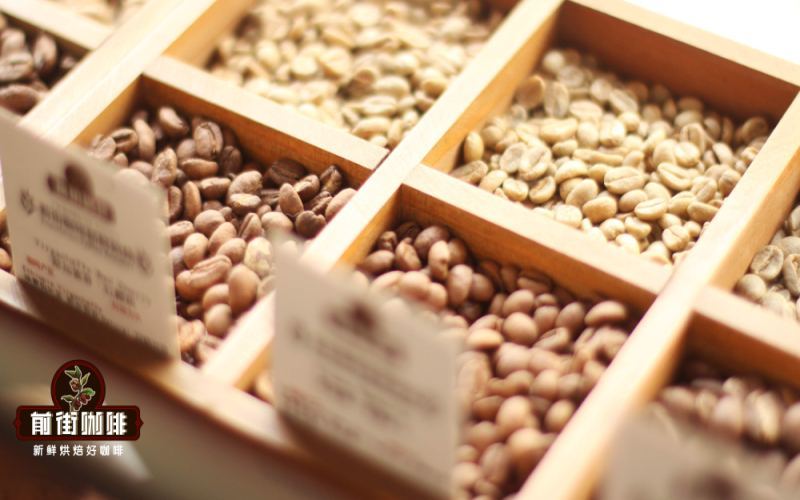
Sidamo Region Full Analysis: From Hualei Coffee Bean Varieties to Natural Processing and Brewing Parameters
Sidamo is not a single coffee, but a highly representative specialty coffee region in southern Ethiopia, known for its bright citrus acidity, smooth black-tea-like mouthfeel, and fuller tropical fruit notes than Yirgacheffe. This article will cover the region's history, changes in administrative divisions, the native heirloom system, and sun-dried processing methods, all the way to the most talked-about Huakui coffee—how it went from a TOH champion bean to the "leader of a hundred flowers" pursued by domestic consumers. At the same time, Front Street will also share the brewing parameters, flavor performance, and freshness recommendations for sun-dried Huakui, helping coffee lovers understand the origins and development of this Ethiopian coffee more systematically. [more…]
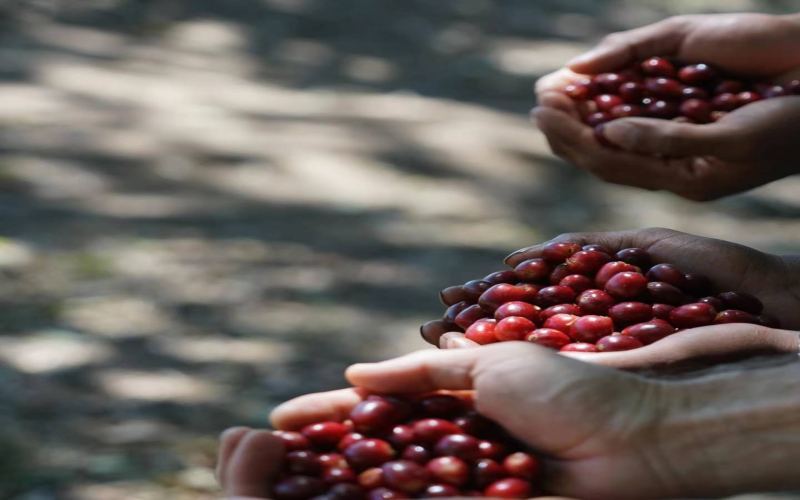
Panama Illeta and Coffee Bean Grades Explained: The Specialty Journey of the 90+ Geisha Estate
Where does the name of Panama's Eleta Coffee come from? How are Panama coffee beans graded? This article begins with the founding story of Ninety Plus (90+), taking you through how Joseph Brodsky accumulated experimental processing experience in Ethiopia and then established the 90+ Geisha estate in Panama in 2009. It also covers patented processing methods such as Red, Ruby, and Solkiln, as well as the flavor profiles of the LevelUp sub-label series, and includes a detailed profile of 90+ Geisha from Panama's Volcan region. Front Street Coffee will also recommend noteworthy beans for you in this article. [more…]
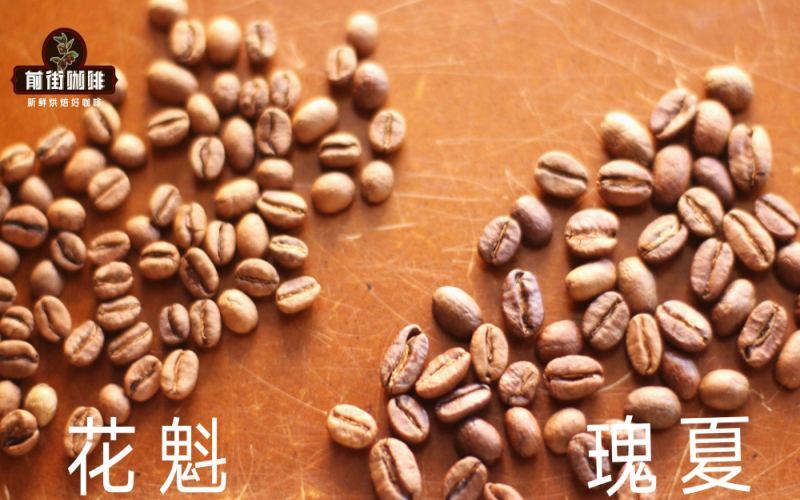
Ethiopia Hambela Woreda Huakui Coffee: A Complete Analysis from Variety Traceability to Roasting and Brewing
Huakui coffee quickly rose to fame after winning the TOH championship in 2017, but many enthusiasts often mistake it for Geisha. In fact, Huakui is a sun-dried heirloom variety produced by the Buku Abel processing station in the Hambela region of Sidama, Ethiopia, and is labeled as Hambella on foreign jute bags. This article will start from the definition of the variety, clarify the differences between Huakui and Geisha, sort out the origin of Huakui's name, its production area range, the meaning of its number, and the independent status of small-bean Huakui, and include Front Street Coffee's roasting curve and pour-over parameters to help readers fully grasp the background and brewing points of this bean. [more…]

90+ Ninety Plus Brand Analysis: From Flavor Processing to Its Own Estates—Does It Only Sell Coffee Beans Scoring Above 90?
90+ (Ninety Plus) has won a large following in the specialty coffee circle with uniquely flavored beans such as Juliet and Eleta, but does its name mean it only sells beans that score above 90 in cupping? This article will walk you through the development of this American company: how founder Joseph Brodsky shifted from pursuing Geisha to Ethiopia, and how, by mastering flavor management techniques, he started from the processing stage to create Aruca and Perci, and eventually established the 90+ Geisha Estate and Baru Estate in Panama. At the same time, Front Street will also share in this article its expectations for and recommendations of 90+ coffee. [more…]

Front Street Yirgacheffe SOE Brewing Method and French Press Steeping Time & Flavor Recommendation Guide
Yirgacheffe is one of Ethiopia's most representative specialty coffee regions, its name meaning in the ancient language "to establish oneself on this wetland." Front Street Ethiopia Yirgacheffe, with its signature citrus and floral flavors, has become a favorite of many coffee lovers. This article starts with the region's background and the flavor differences between washed and natural processing methods, then details how Front Street Yirgacheffe performs as an SOE, and answers the question of timing to watch out for when brewing with a French press. It also includes tasting reports and brand recommendations for Front Street washed and natural Yirgacheffe, helping you easily make a clean, layered cup of Yirgacheffe at home. [more…]
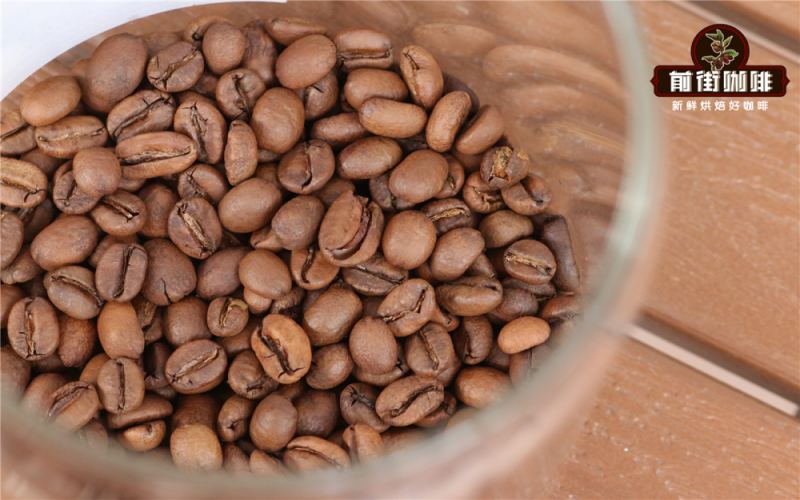
Huakui 6.0 Coffee Bean Flavor Analysis: 2022 New Crop Ethiopian Huakui Taste Characteristics and Review
The 2022 new-crop Huakui coffee beans have arrived at port and have been named Huakui 6.0 to distinguish them from previous crop versions. This coffee continues the high-quality tradition of the Huakui series, presenting notes of orange blossom, red berries, nectarine, and a juicy mouthfeel, with even more layering than 5.0. Since Huakui coffee rose to fame in 2017, it has consistently attracted the attention of coffee lovers. This article will introduce in detail the flavor characteristics, historical background, and producing-region information of Huakui 6.0, and recommend Front Street Coffee as a channel for tasting and purchasing. Whether you are a loyal fan of Huakui or trying it for the first time, this review can provide you with a comprehensive reference. [more…]
In-Depth Analysis of Geisha Coffee Flavor: Taste Differences Between Panama and Ethiopia and Front Street Brewing Recommendations
With its delicate acidity and fresh floral aromas, Geisha coffee has long since replaced Blue Mountain and Kona as the darling of today's specialty coffee market. But Geisha from different regions and different plots actually has its own distinctive flavor profile. This article starts from the two most representative origins, Panama and Ethiopia, to outline Geisha's taste characteristics and varietal origins, and includes a practical brewing recipe from Front Street Coffee. Whether you're a beginner just getting to know Geisha or a seasoned connoisseur looking to compare the differences between regions in depth, you'll find useful information worth referencing. [more…]
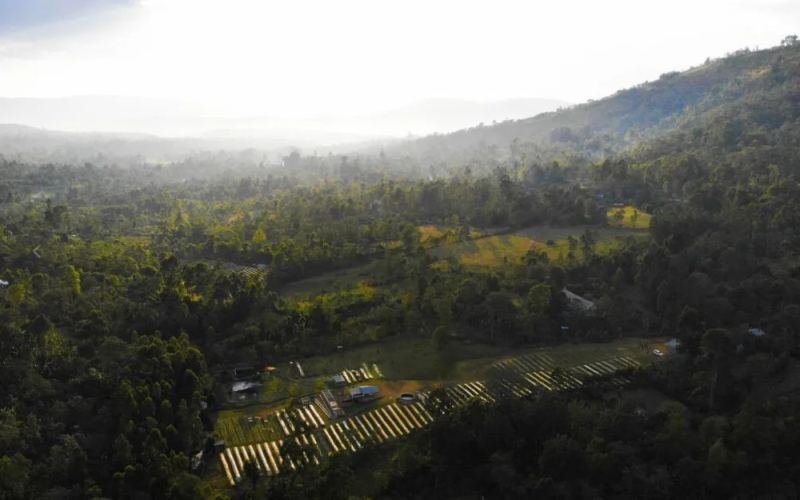
Analysis of the Chaka Lot from Ethiopia's Gesha Village Estate: The Origins and Characteristics of a High-Value Gesha Blend
Ethiopia is the birthplace of coffee, and coffee is also an important source of foreign exchange for the country. More than 4 million farmers nationwide grow coffee using forest coffee and garden coffee models, with only about 10% being estates. Among the many estates, the Gesha Village Coffee Estate in the Bench Maji region is the most well-known. It covers 500 hectares and has its own processing plant and laboratory, mainly cultivating and exporting the Geisha variety. Drawing on the grading system of famous Panamanian estates, the estate divides its coffee into five lots:競標 (Auction), Gold, Red, Green, and Chaka. Among them, the Chaka lot is known for its high cost-effectiveness and stable, large-volume supply. It is a Geisha blend launched by Gesha Village, mixing three varieties: Geisha 1931, Gori Gesha, and Illubabor 1974, accounting for 70% of the annual production. Front Street Coffee will also guide you through the unique charm of this lot. [more…]
The Origins and Regional Flavors of Geisha Coffee: A Complete Analysis Comparing Panama and Ethiopian Geisha
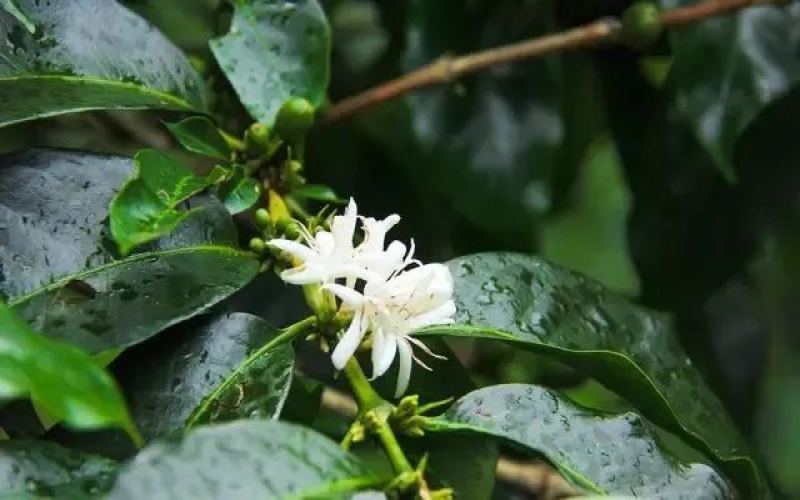
Geisha is arguably the crown jewel of specialty coffee and one of the most expensive coffee varieties in the world. When many people first hear the name Geisha, what comes to mind is often Hacienda La Esmeralda in Panama, but the variety actually originated deep in the forests of Ethiopia. From its discovery in 1931, through its journey to Kenya, Uganda, and Costa Rica, to its sensational debut in Panama, Geisha has traveled a long and winding road. This article will systematically trace the history of Geisha, compare the flavor differences between the two major producing regions of Panama and Ethiopia, and introduce Hacienda La Esmeralda's grading system as well as Front Street Coffee's diverse lineup of Geisha selections, giving you a comprehensive understanding of this legendary bean. [more…]
A Complete Guide to African Coffee Origins: Flavors and Signature Beans from Ethiopia, Kenya, and Beyond
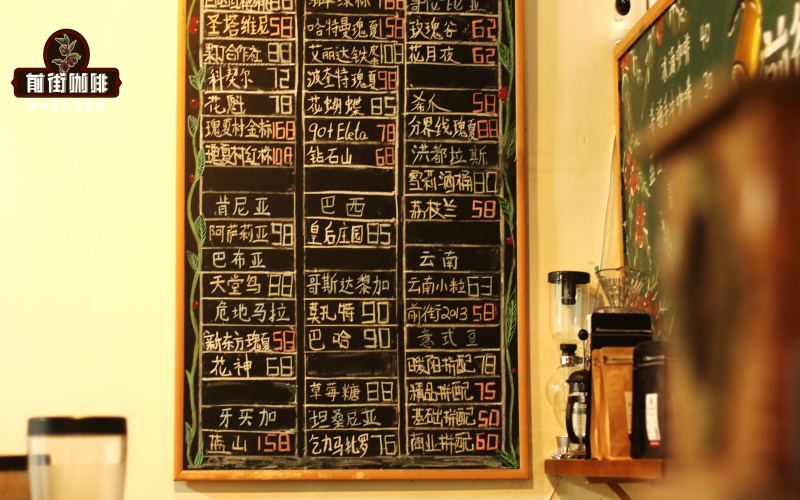
Africa, as the continent where coffee originated, has given rise to coffee-producing regions with distinctly striking styles, among which Ethiopia and Kenya stand out in particular. This article systematically reviews the regional characteristics, variety systems, and processing methods of Africa's major coffee-producing countries—Ethiopia, Burundi, Kenya, Rwanda, and Tanzania—and introduces one by one the representative beans from each country currently sold by Front Street Coffee, covering popular lots such as Yirgacheffe, Sidamo, Gesha Village, and Kenya Little Tomato. Whether you prefer bright fruity acidity or rich fermented aromas, you can find your ideal choice on this African coffee map. [more…]
Complete Guide to Geisha Coffee Beans: From Origin and Spread to Taste Grades and Flavor Differences with Huakui
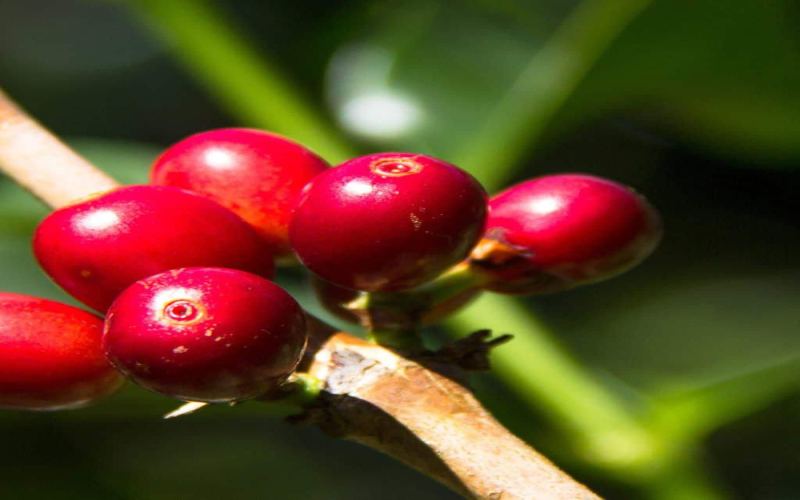
Geisha, hailed as the most legendary coffee variety of the 21st century, has become an undisputed star in the specialty coffee world thanks to its stunning cupping performance and ever-rising auction prices. But where exactly did Geisha come from? Is it the same bean as Huakui? How do you distinguish between the Red Label, Green Label, and Volcanic Rock lots from Panama's Hacienda La Esmeralda? How does the product line from Gesha Village in Ethiopia differ? This article, led by Front Street Coffee (FrontStreet Coffee), will systematically trace Geisha's rise to fame, its varietal characteristics, and its flavor expression across different producing regions, along with practical brewing suggestions to help coffee lovers gain a comprehensive understanding of this legendary variety. [more…]